
Managing the final few hands requires a different mindset than grinding through early levels. When the blinds climb and survival becomes the priority, every chip counts against the clock. Players often chase pots aggressively when they should be preserving their stack. Instead, focus on tightening your ranges and picking spots where the odds clearly favour you. You can explore practical examples and further reading at crocoplaylogin.com to see how modern platforms present these late-stage dynamics. The goal is to outlast opponents who overplay weak hands.
Reading the Pressure at the Table
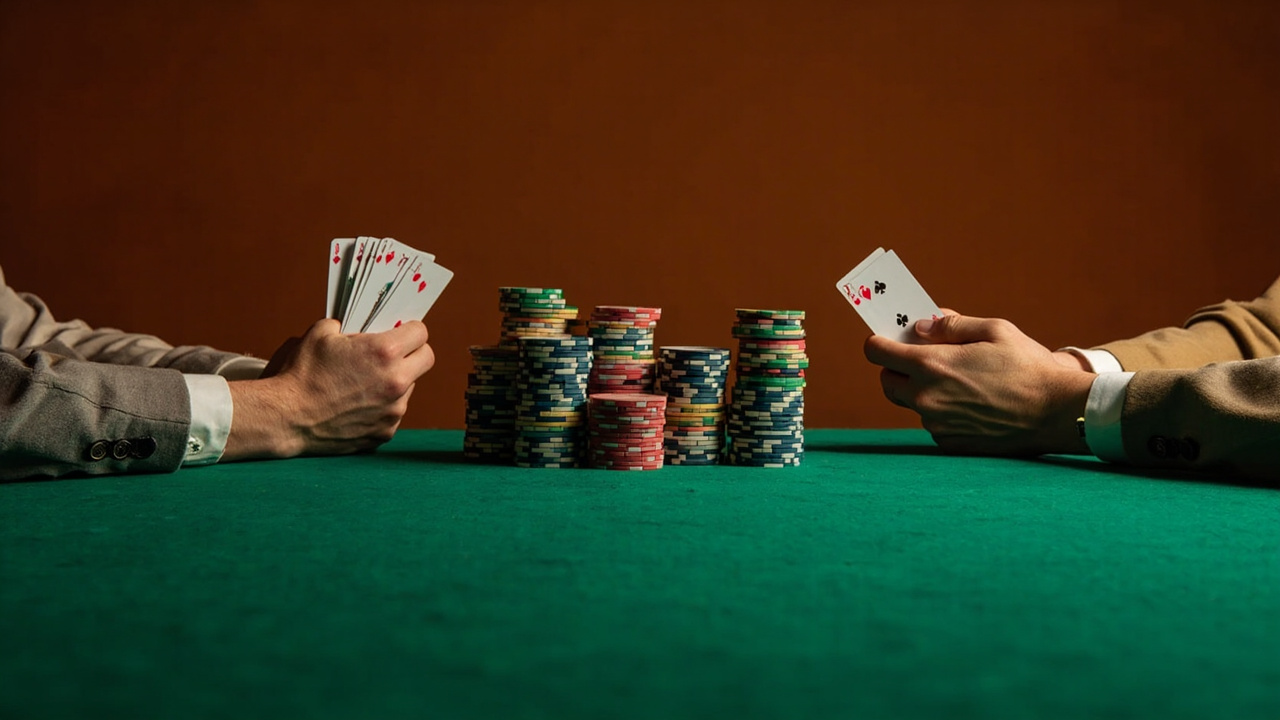
The psychological shift at a final table is where most amateurs lose ground. Once you are among the last few remaining, the pace changes and players start playing for survival rather than profit. I have seen sportsbook traders manage risk in similar high-pressure windows, where the margin for error shrinks with every passing minute. You must treat your stack like a bankroll that needs protection, not a prize to be won quickly. Tightening your opening ranges and folding marginal hands becomes the default, especially when you are short-stacked. A Cairns local might tell you the humidity makes everyone a bit sluggish in the arvo, but the real fatigue comes from watching blinds eat into your position. Patience is the only lever you can pull when the action slows down. crocoplaylogin.com
Stack Sizes and Survival Decisions
Short stacks demand a completely different approach than deep ones. When you are under pressure, you cannot wait for premium hands forever because the blinds will bleed you dry. One or two well-timed moves can keep you in the hunt without risking everything. Amelia Wright, Head of Operator Partnerships, Pacific Player Protection Institute, notes that players often misread survival as passivity, which is a costly mistake. You need to be aggressive when the price is right, but only when the pot odds support the call. Benjamin Wilson, Commercial Director, Capital Territory Gaming Forum, adds that late-stage tournaments reward discipline more than any single lucky hand. He reckons many players blow their edge by forcing action when the table has already figured them out. Focus on stealing blinds when you have position, and fold when you are out of position against a raise.
| Feature | Detail |
|---|---|
| Game Variants | Texas Hold’em, Omaha Hi-Lo |
| Blinds Structure | Escalating levels every 20 minutes |
| Minimum Buy-in | AUD 25 |
| Payment Methods | AUD, Visa, Mastercard, e-wallet |
| Mobile Support | Full-featured app and browser play |
Matching Strategy to Your Goals
Your approach should align with what you are trying to achieve at the table. If you need a top-three finish for a payout, preserving your stack takes priority over hunting every pot. If you are chasing a bigger prize pool, you can take calculated risks when the blinds are high. The best final table strategy adapts to the moment rather than sticking to a rigid plan. You might find that a conservative style works early in the final six, but you need to loosen up when three players remain. No worries about playing perfectly every hand; consistency matters more than hero calls. Keep your eyes on the payout structure and adjust your aggression accordingly. This mindset keeps you in the game longer and avoids unnecessary blow-ups.
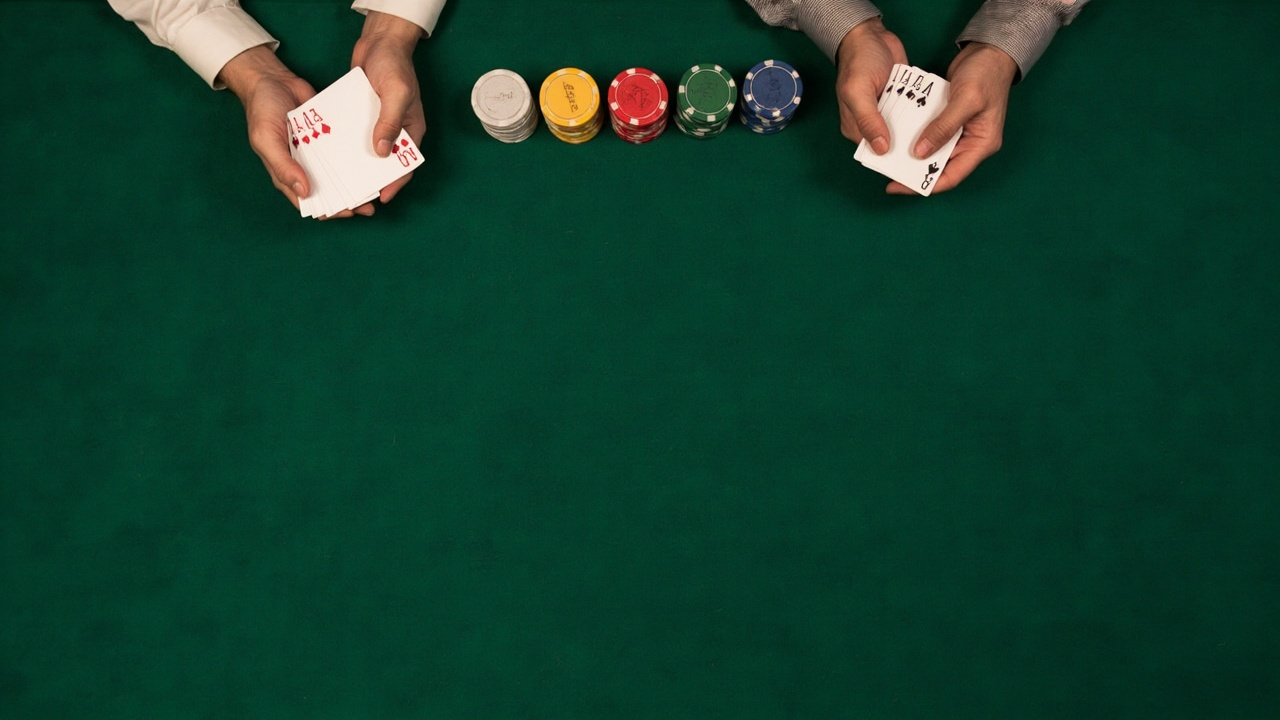
When the pressure mounts, the players who survive are the ones who respect the math and manage their emotions. You do not need to be the most aggressive person at the table to cash, but you do need to be the most disciplined. Treat every decision as a trade-off between survival and opportunity, and let the blinds dictate your urgency. That approach is what separates a solid final table performance from a reckless one.
